To truly appreciate the importance of maintaining your air conditioning system, it is essential to first understand how these units operate. At their core, air conditioners are designed to regulate indoor temperatures by removing heat and humidity from the air. This process not only cools your living space but also enhances comfort levels, making it a vital component of modern homes, especially during the sweltering summer months. Air conditioners function through a cycle known as the refrigeration cycle, which involves several key components: the compressor, condenser, expansion valve, and evaporator. The compressor pumps refrigerant through the system, where it absorbs heat from the indoor air as it evaporates in the evaporator coil.
This cooled air is then circulated back into your home. Meanwhile, the refrigerant moves to the condenser coil outside, where it releases the absorbed heat into the atmosphere and condenses back into a liquid state. This continuous cycle is what keeps your home cool and comfortable. However, this intricate system can only perform optimally if it is kept clean and well-maintained. Over time, dust and debris can accumulate in various components, particularly in the filters and coils.
When these parts become clogged or dirty, they hinder airflow and reduce efficiency, forcing your air conditioner to work harder than necessary. This not only leads to increased energy consumption but can also shorten the lifespan of your unit. Understanding these basic principles of AC functionality highlights why regular cleaning and maintenance are crucial. By ensuring that your air conditioning system remains in peak condition, you can enjoy a more comfortable environment while also saving on energy costs and prolonging the life of your unit. In essence, a well-maintained air conditioner is not just about comfort; it's an investment in your home’s efficiency and health.
The Consequences of Neglecting AC Maintenance
Neglecting the maintenance of your air conditioning system can lead to a myriad of problems that not only affect the unit's performance but also impact your comfort and health.Understanding these consequences is crucial for homeowners who wish to maintain a comfortable living environment.One of the most immediate effects of a dirty air conditioner is decreased efficiency. When dust and debris accumulate on the filters and coils, the system struggles to circulate air effectively. This inefficiency forces the unit to work harder, leading to increased wear and tear on its components. Over time, this can result in costly repairs or even premature system failure.In addition to mechanical issues, neglecting AC maintenance can significantly inflate your energy bills.
A dirty air conditioner can consume up to 30% more energy than a well-maintained unit. As the system works overtime to cool your home, you may notice a sharp increase in your monthly utility costs. Regular cleaning and maintenance can help mitigate these expenses, ensuring that your air conditioner operates at peak efficiency.Moreover, failing to clean your air conditioning system poses potential health risks. A neglected unit can become a breeding ground for mold, bacteria, and allergens.
When the air conditioner circulates this contaminated air throughout your home, it can exacerbate respiratory issues and allergies, particularly for vulnerable individuals such as children and the elderly. Symptoms like coughing, sneezing, and headaches may become more prevalent in households with poorly maintained AC systems.Another consequence of neglecting AC maintenance is the risk of system breakdowns. Components such as the compressor and evaporator coil are sensitive to dirt and grime. If these parts become clogged or damaged due to lack of cleaning, it can lead to complete system failure.
This not only disrupts your comfort but also requires expensive repairs or replacements.In summary, the consequences of neglecting your air conditioner extend far beyond mere discomfort. From decreased efficiency and higher energy bills to serious health risks and potential system failures, regular maintenance is essential for ensuring that your AC unit operates smoothly and effectively. By prioritizing upkeep, you can enjoy a cooler home while safeguarding your health and finances.
Key Components That Require Regular Cleaning
Maintaining your air conditioning unit is essential for its longevity and efficiency. Several key components require regular cleaning to ensure optimal performance.Below, we will discuss the most critical parts of your AC system that need attention, along with effective cleaning methods.
1.Air Filters
The air filter is one of the most vital components of your air conditioning system. It traps dust, dirt, and allergens, preventing them from circulating in your home. A clogged filter can significantly reduce airflow, making your AC work harder and increasing energy costs.The air filter is one of the most vital components of your air conditioning system. It traps dust, dirt, and allergens, preventing them from circulating in your home. A clogged filter can significantly reduce airflow, making your AC work harder and increasing energy costs.- Frequency of Cleaning: Check your air filter every month, especially during peak usage seasons. Replace or clean it at least every three months.
- Cleaning Method: If you have a reusable filter, remove it from the unit and rinse it under warm water.
Allow it to dry completely before reinserting it. For disposable filters, ensure you purchase the correct size and type for your unit.
2.Coils
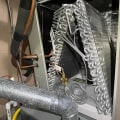
The evaporator and condenser coils are crucial for heat exchange in your air conditioning system. Over time, these coils can accumulate dirt and debris, which can hinder their ability to absorb and release heat effectively.- Frequency of Cleaning: Clean the coils at least once a year, ideally before the cooling season begins.
- Cleaning Method: Turn off the power to the unit before cleaning. Use a soft brush or a vacuum with a brush attachment to gently remove dirt from the coils.
For deeper cleaning, you can use a coil cleaner spray available at hardware stores.
3.Condenser Unit
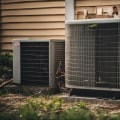
The outdoor condenser unit is exposed to the elements and can collect leaves, dirt, and other debris that obstruct airflow.- Frequency of Cleaning: Inspect the condenser unit monthly during the cooling season.
- Cleaning Method: Clear away any debris around the unit and use a garden hose to gently wash the fins. Be careful not to bend them as this can affect airflow.
Health Implications of a Dirty Air Conditioner
Maintaining a clean air conditioning system is not just about comfort; it is also crucial for your health. A neglected air conditioner can become a breeding ground for various allergens and pollutants, which can significantly impact indoor air quality.When an air conditioning unit is dirty, it can circulate dust, mold spores, and other harmful particles throughout your home.These contaminants can lead to a range of health issues, particularly for individuals with pre-existing respiratory conditions such as asthma or allergies. The following are some of the key health implications associated with a dirty air conditioner:
- Respiratory Problems: Poor indoor air quality can exacerbate respiratory issues. Dust and mold can trigger asthma attacks and allergic reactions, leading to symptoms such as coughing, wheezing, and shortness of breath.
- Increased Allergens: A dirty AC unit can harbor allergens like pollen, pet dander, and dust mites. When these particles are blown into the living space, they can cause allergic reactions in sensitive individuals.
- Mold Growth: Moisture buildup in an unclean air conditioning system can lead to mold growth.
Mold spores released into the air can cause serious health problems, including respiratory infections and other illnesses.
- Infections: Bacteria and viruses can thrive in a dirty AC system. When these pathogens are circulated through the air, they pose a risk of infections, particularly in vulnerable populations such as children and the elderly.
By prioritizing regular maintenance, you can create a healthier indoor environment for you and your family.
Cost Savings Through Regular Maintenance
Regular maintenance of your air conditioning system not only ensures optimal performance but also leads to significant cost savings over time. By investing in routine upkeep, homeowners can enjoy lower energy bills and reduced repair costs, making it a financially sound decision.One of the primary ways regular maintenance contributes to energy efficiency is through the cleaning and replacement of air filters. According to the U. S.Department of Energy, replacing a dirty filter can improve your air conditioner's efficiency by as much as 15%. This means that during peak cooling months, you could save a substantial amount on your utility bills simply by ensuring that your filters are clean and functioning properly.Moreover, a well-maintained air conditioning unit operates more efficiently, which translates to less energy consumption. When an AC unit is dirty or poorly maintained, it has to work harder to cool your home, leading to increased energy usage. In fact, the Energy Information Administration reports that households can save between $100 to $200 annually on their energy bills with proper maintenance practices.In addition to energy savings, regular maintenance can help prevent costly repairs down the line.
Many homeowners are unaware that minor issues can escalate into major problems if left unaddressed. For instance, neglecting to clean the coils can lead to compressor failure, which is one of the most expensive components to replace. By scheduling annual inspections and cleanings, you can catch these issues early and avoid unexpected repair costs.Furthermore, some HVAC companies offer maintenance plans that include regular check-ups and discounts on repairs. These plans can provide peace of mind and further enhance your savings.
By budgeting for these services, you can ensure that your air conditioning system remains in top shape without incurring large expenses all at once.In summary, the financial benefits of maintaining your air conditioner are clear. From reducing utility bills through improved energy efficiency to avoiding costly repairs, regular maintenance is an investment that pays off in both the short and long term. Prioritizing this aspect of home care not only enhances comfort but also safeguards your wallet.
Best Practices for Air Conditioner Maintenance
Maintaining your air conditioner is essential for ensuring its longevity and efficiency. Here are some best practices that homeowners can follow to keep their AC units in top shape:- Regular Filter Changes: One of the simplest yet most effective maintenance tasks is changing or cleaning the air filter.
Depending on usage, filters should be checked monthly and replaced or cleaned every 1 to 3 months. A clean filter improves airflow and efficiency, reducing energy costs.
- Coil Cleaning: The evaporator and condenser coils can accumulate dirt over time, which impairs their ability to absorb and release heat. It’s advisable to clean these coils at least once a year. Use a soft brush or a vacuum with a brush attachment to gently remove dust and debris.
- Clear the Area Around the Unit: Ensure that the area surrounding your outdoor unit is free from debris, such as leaves, grass, and dirt.
A clear space allows for proper airflow and prevents overheating. Trim any nearby shrubs or plants to maintain at least two feet of clearance around the unit.
- Check the Drain Line: A clogged drain line can lead to water damage and increased humidity levels indoors. Regularly inspect the drain line for blockages and use a wet/dry vacuum to clear any obstructions if necessary.
- Schedule Professional Maintenance: While DIY maintenance is important, it’s equally crucial to have your air conditioning system professionally serviced at least once a year. A qualified technician can perform a thorough inspection, identify potential issues, and ensure that all components are functioning optimally.
Regular upkeep not only ensures comfort during hot months but also contributes to better indoor air quality and lower energy bills.In addition to these practices, consider investing in a programmable thermostat. This device allows you to set specific temperatures for different times of the day, optimizing energy use without sacrificing comfort.Ultimately, maintaining your HVAC system is an ongoing commitment that pays off in comfort, efficiency, and cost savings. By incorporating these best practices into your routine, you can enjoy a reliable air conditioning system for years to come.
When to Call a Professional for AC Maintenance
While regular maintenance of your air conditioning system is essential for optimal performance, there are times when the expertise of a professional HVAC technician is necessary. Understanding when to call in a professional can save you time, money, and potential damage to your system.Signs You Need Professional AC Service
- Unusual Noises: If your air conditioner starts making strange sounds such as grinding, squealing, or banging, it’s a clear indication that something is wrong.
These noises can signal issues with the motor, compressor, or other internal components that require professional assessment.
- Inconsistent Cooling: If certain rooms in your home are significantly warmer than others or if the unit fails to cool your space effectively, it may be time to call a technician. This could indicate problems with ductwork, refrigerant levels, or the compressor.
- Frequent Cycling: An air conditioner that turns on and off frequently may be struggling with its thermostat or other components. This not only affects comfort but can also lead to increased energy bills and wear on the system.
- Foul Odors: Any unpleasant smells emanating from your AC unit should not be ignored. A burning smell could indicate electrical issues, while a musty odor might suggest mold growth within the system.
- Water Leaks: If you notice water pooling around your air conditioning unit, it could be a sign of a clogged drain line or a refrigerant leak.
Both situations require immediate attention from a qualified technician.
When DIY Maintenance Falls Short
While there are many maintenance tasks homeowners can perform themselves—such as changing filters and cleaning vents—some issues require specialized knowledge and tools. For instance, handling refrigerants is regulated and should only be done by certified professionals. Attempting to fix complex electrical issues without proper training can lead to further damage or safety hazards.
Benefits of Hiring an HVAC Technician
- Expert Diagnosis: Professionals have the training and experience to accurately diagnose problems that may not be apparent to the average homeowner.
- Comprehensive Maintenance: A technician can perform thorough inspections and maintenance tasks that go beyond basic cleaning, ensuring all components are functioning optimally.
- Warranty Protection: Many manufacturers require professional servicing to maintain warranty coverage. Neglecting this could void your warranty and lead to costly repairs down the line.
By recognizing the signs that indicate a need for expert intervention, you can ensure your home remains comfortable and your AC unit operates smoothly.
Frequently Asked Questions About Air Conditioner Cleaning
When it comes to maintaining your air conditioning system, many homeowners have questions. Here are some of the most frequently asked questions about AC cleaning and maintenance:- How often should I clean my air conditioner?
It is recommended to clean your air conditioner at least once a year. However, if you live in a dusty area or have pets, you may need to clean it more frequently. Regular cleaning helps maintain efficiency and prolongs the lifespan of your unit. - What are the signs that my air conditioner needs cleaning?
If you notice reduced airflow, strange noises, or an increase in energy bills, these could be signs that your air conditioner needs cleaning.Additionally, if you see ice forming on the coils or if the unit is blowing warm air, it’s time for a thorough cleaning.
- Can I clean my air conditioner myself?
Yes, many homeowners can perform basic cleaning tasks such as changing or washing the air filter and cleaning the exterior coils. However, for more complex maintenance tasks, such as deep cleaning the internal components or checking refrigerant levels, it’s best to hire a professional. - What tools do I need for AC cleaning?
Basic tools include a vacuum cleaner with a brush attachment, a soft cloth, and a garden hose for rinsing the coils. If you’re performing more extensive maintenance, you may need specialized tools like a refrigerant gauge. - Is it necessary to hire a professional for AC maintenance?
While some tasks can be done by homeowners, hiring a professional for annual maintenance is highly recommended. Professionals can identify potential issues early on and ensure that your system operates efficiently. - How does regular cleaning affect energy efficiency?
Regularly cleaning your air conditioner can significantly improve its energy efficiency.A clean unit doesn’t have to work as hard to cool your home, which can lead to lower energy bills and a reduced carbon footprint.
Conclusion: The Long-Term Benefits of Regularly Cleaning Your Air Conditioner
In conclusion, the significance of regularly cleaning your air conditioner cannot be overstated. As we have explored throughout this article, neglecting this essential maintenance task can lead to a myriad of issues that not only affect the efficiency of your unit but also impact your health and finances.Efficiency
is one of the primary benefits of maintaining a clean air conditioning system. A well-maintained unit operates at peak performance, ensuring that it effectively cools your home while consuming less energy.
This translates to lower utility bills, especially during the sweltering summer months when air conditioning usage is at its highest. By investing time in regular cleaning, you can avoid the costly repairs associated with a malfunctioning system.Moreover, the health implications of a dirty air conditioner are significant. As discussed, unclean filters and coils can harbor allergens, mold spores, and bacteria that circulate throughout your living space. This can exacerbate respiratory issues and allergies, particularly for vulnerable populations such as children and the elderly.
By prioritizing regular cleaning, you are not only enhancing your air conditioner's performance but also safeguarding the health of your family.Additionally, regular maintenance contributes to the longevity of your air conditioning unit. Just like any other appliance, an air conditioner requires care to function optimally over time. By routinely cleaning filters and coils, you reduce wear and tear on the system, which can extend its lifespan significantly. This means fewer replacements and a better return on investment.In summary, the long-term benefits of regularly cleaning your air conditioner are clear: improved efficiency, enhanced health, and increased longevity of your unit.
By adopting a proactive approach to maintenance, you can enjoy a comfortable living environment while minimizing costs and health risks. Make it a habit to schedule regular cleanings and inspections to ensure that your air conditioning system remains in top shape for years to come.