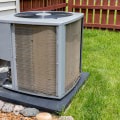
When it comes to maintaining a comfortable indoor environment, the efficiency of your air conditioning system plays a pivotal role. One of the most critical yet often overlooked aspects of this maintenance is the regular cleaning of your outside AC unit. Many homeowners may not realize that neglecting this essential task can lead to a cascade of problems, affecting not only the performance of the unit but also its longevity and your overall energy costs. Understanding the importance of exterior cleaning for your outside AC unit is vital for ensuring that it operates at peak efficiency.Regular cleaning of your AC unit offers numerous benefits that extend beyond mere aesthetics. When it comes to maintaining a comfortable indoor environment, the efficiency of your air conditioning system plays a pivotal role. One of the most critical yet often overlooked aspects of this maintenance is the regular cleaning of your outside AC unit. Many homeowners may not realize that neglecting this essential task can lead to a cascade of problems, affecting not only the performance of the unit but also its longevity and your overall energy costs. Understanding the importance of exterior cleaning for your outside AC unit is vital for ensuring that it operates at peak efficiency.Regular cleaning of your AC unit offers numerous benefits that extend beyond mere aesthetics.
For starters, a clean unit can significantly enhance its efficiency, allowing it to cool your home more effectively while consuming less energy. This translates into lower utility bills, which is a welcome relief for any homeowner. Additionally, a well-maintained AC unit is less likely to experience breakdowns or require costly repairs, ultimately saving you money in the long run. By investing time in routine cleaning, you are not just preserving the functionality of your air conditioner; you are also safeguarding your financial investment.Moreover, the outside AC unit is constantly exposed to various environmental elements such as dirt, leaves, and pollen.
Over time, these contaminants can accumulate and obstruct airflow, leading to overheating and increased wear and tear on the system. This is why understanding why you should clean your outside AC unit regularly is crucial. Not only does it help maintain optimal performance, but it also contributes to better air quality within your home. A clean unit ensures that the air circulating through your living space is free from dust and allergens, promoting a healthier environment for you and your family.
How Dirt and Debris Affect Your AC Unit's Performance
When it comes to the performance of your air conditioning unit, the impact of dirt and debris cannot be overstated.Over time, these contaminants accumulate on various components of the AC unit, particularly the coils and fins, which play a crucial role in the cooling process. Understanding how this buildup affects your system is essential for maintaining optimal performance.
Airflow Restriction
One of the primary ways that dirt and debris hinder your AC unit's efficiency is by restricting airflow. The coils are designed to facilitate the transfer of heat; however, when they are covered in grime, their ability to absorb and release heat diminishes significantly. This restriction forces the unit to work harder to maintain the desired temperature, leading to increased energy consumption and higher utility bills.
Cooling Efficiency
The cooling efficiency of an air conditioning system is directly linked to its ability to circulate air effectively.
When dirt clogs the fins or coils, it disrupts this airflow, causing uneven cooling throughout your home. You may notice that some rooms feel warmer than others, indicating that your AC is struggling to distribute cool air evenly. This inefficiency not only affects comfort levels but can also lead to premature wear and tear on the system.
Increased Wear and Tear
As your AC unit works harder due to restricted airflow and reduced cooling efficiency, it experiences increased wear and tear on its components. This can lead to more frequent breakdowns and costly repairs.
For instance, the compressor, which is responsible for circulating refrigerant through the system, may become overworked and fail prematurely if it is constantly trying to compensate for a dirty unit.
Potential Health Risks
Moreover, accumulated dirt and debris can pose health risks. Dust and allergens can circulate through your home’s air supply if they are not filtered out effectively. This can exacerbate respiratory issues for individuals with allergies or asthma. Regular cleaning of your outside AC unit helps ensure that these contaminants do not compromise indoor air quality.
Conclusion
In summary, neglecting to clean your outside AC unit can lead to significant performance issues stemming from dirt and debris accumulation.
From restricted airflow and decreased cooling efficiency to increased wear on components and potential health risks, the consequences are far-reaching. To maintain a well-functioning air conditioning system, regular cleaning is essential. By prioritizing this maintenance task, you can enhance your unit's performance and longevity while ensuring a comfortable living environment.
Signs That Your Outside AC Unit Needs Cleaning
Recognizing the signs that your outside AC unit needs cleaning is essential for maintaining its efficiency and longevity. Ignoring these indicators can lead to decreased performance, higher energy bills, and even costly repairs.Here are some key signs to watch for:
- Reduced Airflow: If you notice that the airflow from your vents is weaker than usual, it may be a sign that your outside AC unit is clogged with dirt and debris. This buildup can restrict airflow, making it harder for your system to cool your home effectively.
- Increased Energy Bills: A sudden spike in your energy bills can indicate that your AC unit is working harder than it should. When the coils and fins are dirty, the system has to expend more energy to maintain the desired temperature, leading to higher costs.
- Unusual Noises: If your AC unit starts making strange noises, such as rattling or grinding sounds, it could be a sign of debris obstructing the fan or other components. Cleaning the unit may resolve these issues and prevent further damage.
- Visible Dirt and Debris: A simple visual inspection can reveal a lot about the condition of your AC unit.
If you see leaves, dirt, or other debris accumulating on or around the unit, it’s time for a cleaning. Regular maintenance can prevent this buildup from affecting performance.
- Foul Odors: If you detect unpleasant smells coming from your AC system, it could indicate mold or mildew growth due to moisture trapped in a dirty unit. Cleaning the outside AC unit can help eliminate these odors and improve indoor air quality.
- Longer Cooling Times: If your home takes longer to cool down than it used to, this could be a sign that your outside AC unit is struggling due to dirt accumulation. Regular cleaning helps ensure that the system operates efficiently.
This not only enhances performance but also extends the lifespan of the system, ensuring comfort during those hot summer months.
Recommended Cleaning Frequency for Your Outside AC Unit
Establishing a regular cleaning schedule for your outside AC unit is essential for maintaining its efficiency and longevity. The frequency of cleaning can vary based on several factors, including your geographical location, the surrounding environment, and how often you use your air conditioning system.General Recommendations
- For most homeowners, it is advisable to clean the outside AC unit at least twice a year. This typically includes a thorough cleaning in the spring before the cooling season begins and another in the fall as temperatures drop.
Factors Influencing Cleaning Frequency
- Location: If you live in an area with heavy foliage, such as near trees or shrubs, you may find that leaves and twigs accumulate more quickly. In such cases, consider cleaning your unit every three months during peak seasons.
- Environmental Conditions: Homes located in dusty or sandy areas may require more frequent cleanings due to the accumulation of dirt and debris.
Similarly, if you live in a region prone to storms or high winds, additional cleanings may be necessary.
- Usage Patterns: If your air conditioning system is used extensively—such as in homes with large families or frequent gatherings—you might need to clean the unit more often. Regular use can lead to faster buildup of dirt and grime on the coils.
- Pets: Households with pets may also need to increase their cleaning frequency. Pet hair and dander can clog filters and coils, reducing efficiency.
Signs That Cleaning Is Needed
In addition to following a set schedule, it’s important to be aware of signs that indicate your AC unit needs immediate attention:
- If you notice a decrease in cooling efficiency or an increase in energy bills, it may be time for a cleaning.
- Visible dirt or debris on the unit’s exterior or around the coils is a clear sign that maintenance is overdue.
- If your air conditioner is making unusual noises or emitting strange odors, these could be indicators of internal issues that require professional inspection and cleaning.
Step-by-Step Guide to Cleaning Your Outside AC Unit
Cleaning your outside AC unit is a vital part of maintaining its efficiency and longevity.By following this step-by-step guide , you can ensure that your air conditioning system operates at its best while minimizing the risk of damage during the cleaning process.
Step 1: Safety First
- Before you begin, turn off the power to your AC unit. Locate the circuit breaker or disconnect switch and ensure it is in the off position to prevent any accidents.
- Wear protective gear such as gloves and safety goggles to shield yourself from debris and cleaning agents.
Step 2: Remove Debris
- Start by clearing away any leaves, twigs, or other debris that may have accumulated around the unit. Use a broom or a leaf blower for this task.
- Check the top and sides of the unit for any obstructions that could impede airflow.
Step 3: Clean the Fins and Coils
- Using a soft brush or a vacuum with a brush attachment, gently clean the fins on the outside of the unit. Be careful not to bend them, as this can affect airflow.
- If you notice significant dirt buildup on the coils, use a garden hose to spray them down.
Ensure you do this gently to avoid damaging the fins.
- For stubborn grime, consider using a mild detergent or a specialized coil cleaner. Apply it according to the manufacturer's instructions and rinse thoroughly afterward.
Step 4: Check the Drainage
- Inspect the drainage pan for any clogs or standing water. Clear any blockages to ensure proper drainage, which is crucial for preventing water damage and mold growth.
Step 5: Final Touches
- Once everything is clean, allow the unit to dry completely before turning it back on. This helps prevent moisture-related issues.
- Consider trimming back any nearby vegetation that could obstruct airflow in the future.
Regular maintenance not only enhances efficiency but also extends the lifespan of your system, ensuring you stay cool during those hot summer months.
The Role of Professional Maintenance in Air Conditioning Care
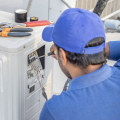
While regular cleaning of your outside AC unit is essential for maintaining its efficiency, the role of professional maintenance cannot be overstated. Engaging a qualified HVAC technician for routine inspections and servicing can significantly enhance the performance and longevity of your air conditioning system.What Does Professional Maintenance Involve?
- Comprehensive Inspections: Professionals conduct thorough assessments of your AC unit, checking for any signs of wear and tear, leaks, or other potential issues that may not be visible to the untrained eye.
- Coil Cleaning: While homeowners can clean the exterior coils, professionals have specialized tools and cleaning solutions that can effectively remove stubborn dirt and grime from both the indoor and outdoor coils.
- Refrigerant Level Checks: An HVAC technician will check the refrigerant levels to ensure they are within the manufacturer’s specifications. Low refrigerant can lead to inefficient cooling and increased energy costs.
- Electrical Component Testing: Technicians will inspect electrical connections, ensuring that all components are functioning correctly and safely. This includes checking capacitors, contactors, and wiring.
- System Calibration: Professionals can calibrate your thermostat and other controls to ensure optimal performance, which can help in reducing energy consumption.
Benefits of Hiring HVAC Services
Investing in professional maintenance offers numerous advantages:
- Increased Efficiency: Regular professional maintenance helps your AC unit run more efficiently, which can lead to lower energy bills.
- Extended Lifespan: By addressing minor issues before they escalate into major problems, professional maintenance can significantly extend the lifespan of your air conditioning system.
- Improved Air Quality: Professionals can clean and replace filters, ensuring that the air circulating in your home is free from dust, allergens, and pollutants.
- Peace of Mind: Knowing that a qualified technician has inspected your system provides reassurance that it is operating safely and effectively.
When to Call an Expert for AC Care
It’s advisable to schedule professional maintenance at least once a year, ideally before the cooling season begins.
However, there are specific situations when you should call an expert:
- If you notice unusual noises or smells coming from your AC unit.
- If your system is not cooling effectively despite regular cleaning efforts.
- If you experience frequent cycling on and off or inconsistent temperatures throughout your home.
- If you have not had a professional inspection in over a year.
Common Mistakes to Avoid When Cleaning Your Outside AC Unit
Cleaning your outside AC unit is essential for maintaining its efficiency and longevity, but there are several common mistakes that homeowners often make during this process. By being aware of these pitfalls, you can ensure a more effective and safer cleaning experience.- Neglecting to Turn Off the Power: One of the most critical steps before starting any cleaning is to turn off the power to your AC unit. Failing to do so can lead to electrical shocks or damage to the unit.
Always locate the disconnect switch or turn off the circuit breaker before beginning your cleaning.
- Using High-Pressure Water: While it may be tempting to use a pressure washer for a quick clean, this can actually cause more harm than good. High-pressure water can bend the delicate fins of the coils or push debris further into the unit. Instead, use a gentle spray from a garden hose to avoid damaging any components.
- Ignoring the Fins: The fins on your AC unit are crucial for airflow and heat exchange. Many homeowners overlook them during cleaning.
Make sure to carefully straighten any bent fins using a fin comb or a flathead screwdriver, as this will help maintain optimal airflow.
- Overlooking Surrounding Areas: Cleaning your AC unit isn’t just about the unit itself; it’s also important to clear away any debris from around it. Leaves, grass clippings, and dirt can obstruct airflow and reduce efficiency. Maintain at least two feet of clearance around your unit by regularly trimming nearby vegetation.
- Using Harsh Chemicals: Some homeowners may resort to strong chemicals or bleach in an attempt to clean their AC units. However, these substances can corrode metal parts and damage plastic components.
Instead, opt for mild detergents specifically designed for HVAC systems or simply use water.
- Neglecting Regular Maintenance: Cleaning your AC unit is just one part of its maintenance. Many people forget to schedule annual professional inspections, which are essential for identifying potential issues before they escalate. A technician can perform a thorough cleaning and check for any underlying problems that may not be visible during a DIY clean.
FAQs About Cleaning Your Outside AC Unit
Cleaning your outside AC unit is essential for maintaining its efficiency and longevity.Here are some frequently asked questions that can help you understand the importance of this maintenance task.
1.How often should I clean my outside AC unit?
It is generally recommended to clean your outside AC unit at least twice a year, ideally in the spring and fall. However, if you live in a dusty area, near trees, or have pets, you may need to clean it more frequently. Regular inspections can help you determine the right cleaning schedule for your specific situation.2.What tools do I need to clean my AC unit?
To effectively clean your outside AC unit, you will need:- A garden hose with a spray nozzle
- A soft brush or cloth
- A vacuum cleaner with a brush attachment
- Coil cleaner (optional)
- Protective gloves and eyewear
3.Can I clean my AC unit myself?
Yes, many homeowners can perform basic cleaning tasks on their outside AC units. However, for more thorough maintenance or if you're unsure about any steps, it's advisable to hire a professional technician.They can ensure that all components are cleaned properly and check for any underlying issues.
4.What should I do if my AC unit is not cooling effectively?
If your air conditioner is not cooling as it should, first check for visible dirt or debris on the coils and fins. Cleaning these areas can often resolve the issue. If the problem persists after cleaning, it may indicate a more serious issue such as refrigerant leaks or mechanical failures, which require professional attention.5.Is it necessary to turn off the power before cleaning?
Absolutely!
Always turn off the power to your AC unit before performing any cleaning or maintenance tasks. This ensures your safety and prevents any accidental damage to the unit.
6.How can I prevent debris from accumulating on my AC unit?
To minimize debris buildup, consider the following:- Keep plants and shrubs trimmed back from the unit.
- Install a protective cover during off-seasons.
- Regularly check and clean surrounding areas to remove leaves and dirt.
Conclusion: Keeping Your Outside AC Unit in Top Shape
In summary, maintaining your outside AC unit is not just a matter of convenience; it is essential for ensuring optimal performance and longevity.Regular cleaning and maintenance can significantly enhance the efficiency of your air conditioning system, ultimately leading to lower energy bills and a more comfortable living environment.Throughout this article, we have highlighted several key points regarding the importance of keeping your AC unit clean:
- Efficiency Boost: A clean AC unit operates more efficiently, which means it can cool your home effectively without consuming excessive energy.
- Cost Savings: By preventing dirt and debris buildup, you can avoid costly repairs and replacements down the line. Regular maintenance helps extend the lifespan of your unit, saving you money in the long run.
- Health Benefits: A well-maintained AC unit contributes to better indoor air quality by reducing allergens and pollutants that can circulate in your home.
- Proactive Care: Taking the initiative to clean your unit regularly allows you to identify potential issues before they escalate into major problems.
Scheduling an annual inspection with a qualified technician can provide peace of mind and ensure that all components of your air conditioning system are functioning optimally. This proactive approach not only enhances performance but also helps you avoid unexpected breakdowns during peak usage times.In conclusion, by prioritizing regular cleaning and maintenance of your outside AC unit, you are investing in its efficiency, longevity, and overall performance. Take these steps seriously to enjoy a cool and comfortable home for years to come.