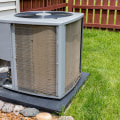
Air conditioning, commonly referred to as AC solutions, has transformed from a luxury into a necessity in our daily lives. At its core, air conditioning is a technology designed to regulate indoor temperature and humidity, creating a comfortable environment regardless of external weather conditions. The journey of AC began in the early 20th century, when Willis Carrier invented the first modern air conditioning system in 1902. This groundbreaking innovation was initially aimed at improving the quality of printing processes by controlling humidity and temperature, but it quickly evolved to serve broader applications.As we delve into the history of air conditioning, it becomes evident that its significance extends far beyond mere comfort. The introduction of AC systems revolutionized various industries, including healthcare, hospitality, and manufacturing.
Hospitals utilize air conditioning to maintain sterile environments, while hotels and restaurants rely on it to enhance guest experiences. Furthermore, the widespread adoption of AC has played a crucial role in urban development, enabling cities to thrive in regions with extreme climates.In contemporary society, the importance of AC solutions cannot be overstated. Beyond providing relief from oppressive heat, air conditioning systems contribute to improved indoor air quality by filtering out pollutants and allergens. This is particularly vital for individuals with respiratory issues or allergies.
Moreover, AC units help protect our homes and belongings from damage caused by excessive humidity, preserving furniture and electronics over time. As we explore the evolution of AC technology throughout this article, we will uncover how these systems have adapted to meet our changing needs and expectations.
The Basics of Air Conditioning Technology
Understanding the fundamentals of air conditioning technology is essential for anyone looking to appreciate the advancements in AC solutions. At its core, air conditioning works by manipulating the temperature and humidity of the air in a given space, creating a comfortable environment. This process involves several key components and mechanisms that work together seamlessly.How AC Works
The basic principle behind air conditioning is the refrigeration cycle, which consists of four main stages: evaporation, compression, condensation, and expansion.
Here’s a brief overview of each stage:
- Evaporation: The refrigerant absorbs heat from the indoor air as it evaporates in the evaporator coil, cooling the air that is then circulated back into the room.
- Compression: The gaseous refrigerant is drawn into the compressor, where it is compressed to a high pressure, raising its temperature.
- Condensation: The hot, high-pressure gas moves to the condenser coil outside, where it releases heat to the outside air and condenses back into a liquid.
- Expansion: The refrigerant then passes through an expansion valve, reducing its pressure and temperature before returning to the evaporator coil to repeat the cycle.
Types of AC Systems
There are several types of air conditioning systems available, each designed to meet different needs and preferences:
- Central Air Conditioning: This system uses a network of ducts to distribute cooled air throughout an entire building. It is ideal for larger homes or commercial spaces.
- Window Units: These compact units are installed in a window or wall and are suitable for cooling single rooms. They are often more affordable and easier to install than central systems.
- Portable Air Conditioners: These freestanding units can be moved from room to room and typically require no permanent installation. They are perfect for renters or those needing temporary cooling solutions.
- Split Systems: Comprising an indoor unit and an outdoor compressor, split systems offer efficient cooling without ductwork.
They are popular in homes where duct installation is impractical.
Components of Air Conditioning
An air conditioning system consists of several critical components that work together to provide effective cooling:
- Compressor: Often referred to as the heart of the AC system, it compresses the refrigerant and circulates it through the system.
- Condenser Coil: Located outside, this coil releases heat absorbed from inside your home.
- Evaporator Coil: Found indoors, this coil absorbs heat from the air inside your home.
- Expansion Valve: This component regulates the flow of refrigerant into the evaporator coil.
- Ductwork (for central systems): A network of ducts that distributes cooled air throughout your home or building.
The Historical Development of Air Conditioning
The journey of air conditioning (AC) technology is a fascinating tale of innovation and necessity, tracing back to the early 20th century. The history of air conditioning is marked by several key milestones that have transformed it from a luxury into an essential component of modern life.One of the most significant figures in this evolution is Willis Carrier , who is often referred to as the father of modern air conditioning. In 1902, Carrier developed the first air conditioning system designed specifically for indoor spaces. His invention was initially aimed at controlling humidity levels in a printing plant, which was crucial for maintaining print quality.This breakthrough not only cooled the air but also dehumidified it, setting the stage for future developments in AC technology.Following Carrier's pioneering work, the 1920s saw the introduction of air conditioning systems in commercial buildings, theaters, and even homes. This era marked a shift in public perception, as people began to recognize the comfort and health benefits provided by climate control. By the 1930s, air conditioning became more accessible to the general public, with window units emerging as a popular option for residential use.The post-World War II era brought about another significant leap in AC technology. With advancements in manufacturing and materials, air conditioning units became more affordable and efficient.
The introduction of refrigerants like Freon revolutionized cooling systems, making them safer and more effective. This period also saw the rise of central air conditioning systems, which allowed for whole-home cooling solutions.As we moved into the late 20th century and early 21st century, energy efficiency became a focal point in AC development. Innovations such as inverter technology emerged, allowing units to adjust their cooling output based on demand, significantly reducing energy consumption. Additionally, smart thermostats and home automation systems began to integrate with AC units, providing users with greater control over their indoor climate.Today, the evolution of AC continues as manufacturers explore eco-friendly refrigerants and renewable energy sources to power these systems.
The historical development of air conditioning not only highlights technological advancements but also reflects changing societal needs and environmental considerations.
The Importance of Air Conditioning in Daily Life
Air conditioning has evolved into a vital component of modern living, offering a range of benefits that extend far beyond simple temperature control. Understanding the multifaceted advantages of AC solutions can help us appreciate their role in enhancing our daily lives.Health Benefits of Air Conditioning
- Temperature Regulation: One of the primary functions of air conditioning is to maintain a comfortable indoor temperature. This is particularly important during extreme weather conditions, where high temperatures can lead to heat-related illnesses such as heat exhaustion or heat stroke. By keeping indoor environments cool, AC units help protect vulnerable populations, including the elderly and those with pre-existing health conditions.
- Improved Air Quality: Modern air conditioning systems are equipped with advanced filtration technologies that significantly enhance indoor air quality.
These filters trap dust, pollen, pet dander, and other allergens, reducing the risk of respiratory issues and allergies. For individuals with asthma or other respiratory conditions, a well-functioning AC unit can be a game-changer.
- Humidity Control: High humidity levels can create an uncomfortable living environment and promote the growth of mold and mildew. Air conditioning systems help regulate humidity by removing excess moisture from the air, thereby creating a healthier atmosphere.
Economic Advantages of Air Conditioning
- Protection of Household Items: Excessive humidity can damage furniture, electronics, and other household items. By maintaining optimal humidity levels, air conditioning systems help preserve these valuable possessions, preventing costly repairs or replacements.
- Energy Efficiency: Many modern AC solutions are designed with energy efficiency in mind.
By utilizing advanced technologies such as inverter compressors and smart thermostats, these systems can significantly reduce energy consumption. This not only lowers utility bills but also contributes to environmental sustainability.
- Increased Property Value: Homes equipped with efficient air conditioning systems often see an increase in property value. Potential buyers view air conditioning as a desirable feature that enhances comfort and livability, making it a worthwhile investment for homeowners.
Technological Advancements in Air Conditioning
The landscape of air conditioning has undergone remarkable transformations in recent years, driven by the need for greater efficiency and enhanced user experience.These technological advancements not only improve performance but also contribute to environmental sustainability.
Inverter Compressors: A Game Changer
One of the most significant innovations in AC technology is the introduction of inverter compressors. Unlike traditional compressors that operate at a fixed speed, inverter compressors can adjust their speed based on the cooling demand. This capability leads to several advantages:- Energy Efficiency: Inverter systems can reduce energy consumption by up to 50%, making them a cost-effective choice for homeowners.
- Consistent Temperature Control: By continuously adjusting the compressor speed, these systems maintain a stable indoor temperature, enhancing comfort.
- Quieter Operation: Inverter compressors operate more quietly than their conventional counterparts, contributing to a more peaceful indoor environment.
Smart Thermostats: Control at Your Fingertips
The rise of smart home technology has also influenced air conditioning systems. Smart thermostats are now integral components of modern AC units, offering features that enhance convenience and efficiency:- Remote Access: Users can control their AC settings from anywhere using a smartphone app, allowing for adjustments even when away from home.
- Learning Capabilities: Many smart thermostats learn user preferences over time, automatically adjusting settings to optimize comfort and energy use.
- Energy Monitoring: These devices provide insights into energy consumption patterns, helping users make informed decisions about their cooling habits.
Energy-Efficient Designs: A Sustainable Future
The push for sustainability has led manufacturers to develop energy-efficient air conditioners.These units are designed with advanced technologies that minimize energy consumption while maximizing performance. Key features include:
- High SEER Ratings: Seasonal Energy Efficiency Ratio (SEER) ratings indicate how efficiently an AC unit operates. Higher ratings signify better energy efficiency.
- Eco-Friendly Refrigerants: Newer models utilize refrigerants with lower global warming potential, reducing their environmental impact.
- Smart Sensors: Many modern units come equipped with sensors that detect occupancy and adjust cooling accordingly, further conserving energy.
The Future of Air Conditioning Solutions
As we look ahead, the future of air conditioning solutions is poised for remarkable transformation, driven by technological advancements and a growing emphasis on sustainability.The integration of renewable energy sources into AC systems is one of the most promising trends on the horizon.
Renewable Energy Integration
With the increasing urgency to combat climate change, the air conditioning industry is exploring ways to harness renewable energy. Solar-powered AC units are already being developed, allowing homeowners to utilize solar panels to power their cooling systems. This not only reduces reliance on fossil fuels but also significantly lowers energy costs. Furthermore, advancements in battery storage technology mean that excess energy generated during the day can be stored and used to power AC units at night, enhancing efficiency and sustainability.
Smart Home Integration
The rise of smart home technology is another game-changer for air conditioning solutions.
Future AC systems will likely be equipped with advanced connectivity features that allow them to communicate with other smart devices in the home. For instance, a smart thermostat could adjust the temperature based on real-time data from weather forecasts or occupancy sensors. If it detects that no one is home, it can automatically adjust settings to save energy.Moreover, integration with home automation systems will enable users to control their AC units through voice commands or mobile apps. Imagine being able to set your home’s temperature while you’re still at work or adjusting it from your bed without getting up.
This level of convenience not only enhances user experience but also promotes energy efficiency by allowing for more precise control over cooling needs.
Enhanced Energy Efficiency
Future air conditioning solutions will also focus on improving energy efficiency through innovative technologies such as variable refrigerant flow (VRF) systems and advanced heat pump technology. These systems can provide both heating and cooling while using significantly less energy than traditional units. As regulations around energy consumption become stricter, manufacturers will be compelled to develop AC units that meet higher efficiency standards.In conclusion, the future of air conditioning solutions is bright, with exciting developments on the horizon that promise to enhance comfort while prioritizing sustainability and efficiency. By embracing renewable energy sources and smart technology integration, we can look forward to a new era of air conditioning that not only cools our spaces but also contributes positively to our environment.
Common Myths About Air Conditioning Debunked
Air conditioning is often surrounded by a cloud of myths and misconceptions that can lead to misunderstandings about its efficiency and usage.Here, we will debunk some of the most common myths about air conditioning to provide you with accurate information that can enhance your understanding of AC solutions.
- Myth 1: Running the AC all day is more efficient than turning it off.
Many believe that keeping the air conditioning unit running continuously is more energy-efficient than turning it off when not in use. In reality, modern AC units are designed to cool spaces quickly and efficiently. Turning them off when you leave can save energy, especially if you use a programmable thermostat to manage the temperature. - Myth 2: Setting the thermostat to a lower temperature cools the room faster.
Some people think that setting the thermostat to a much lower temperature will cool their space more quickly. However, air conditioners work at a consistent rate regardless of the thermostat setting.Setting it lower only results in unnecessary energy consumption without speeding up the cooling process.
- Myth 3: AC units are only necessary in hot climates.
While it's true that air conditioning is essential in warmer regions, it also plays a crucial role in maintaining indoor air quality and humidity levels. In areas with high humidity, AC units help dehumidify the air, preventing mold growth and improving overall comfort. - Myth 4: Closing vents in unused rooms saves energy.
Many homeowners believe that closing vents in unused rooms will save energy. However, this can create pressure imbalances within the system, leading to inefficiencies and potential damage. It's better to keep vents open and adjust airflow through your thermostat settings. - Myth 5: Air conditioning causes colds and illnesses.
Another common misconception is that air conditioning can cause colds or respiratory issues.While poorly maintained systems can circulate dust and allergens, properly maintained AC units actually improve indoor air quality by filtering out pollutants.
Conclusion: Embracing the Comfort of Modern Air Conditioning Solutions
As we reflect on the journey of air conditioning from its inception to the sophisticated AC solutions available today, it becomes clear that these systems have transcended their original purpose of merely cooling spaces. They have evolved into essential components of our daily lives, enhancing not only our comfort but also our overall well-being.The advancements in technology have brought forth a new era of air conditioning that prioritizes energy efficiency and environmental sustainability. Modern AC solutions are designed with features such as inverter compressors and smart thermostats, which not only optimize energy consumption but also provide users with greater control over their indoor climate.This shift towards smarter technology allows homeowners to tailor their cooling needs while minimizing their carbon footprint.Moreover, the health benefits associated with contemporary air conditioning systems cannot be overlooked. By improving indoor air quality through advanced filtration systems, these units help mitigate allergens and pollutants, creating a healthier living environment. This is particularly crucial for vulnerable populations, including children and the elderly, who may be more susceptible to heat-related illnesses and respiratory issues.In addition to health and comfort, the economic advantages of investing in modern AC solutions are significant. Energy-efficient units can lead to substantial savings on utility bills over time, making them a wise financial choice for homeowners.
Furthermore, by protecting furniture and electronics from humidity damage, these systems contribute to the longevity of household items.As we look ahead, embracing the latest innovations in air conditioning will be vital for adapting to changing climates and increasing energy demands. The integration of renewable energy sources into AC technology promises a future where cooling solutions are not only effective but also sustainable.In conclusion, understanding the evolution of air conditioning is essential for appreciating its role in our lives today. By embracing modern AC solutions , we can ensure that our homes remain comfortable sanctuaries that promote health and well-being while being mindful of our environmental impact.